
![[aggregator] downloaded image for imported item #5821](https://hotnewscenter.top/wp-content/uploads/2025/12/uk-palace-of-westminster-excavation-london-ancient-artifacts-history-archaeology-discovery-4-1024x576.jpg "Archaeologists find artifacts older than Stonehenge beneath Britain's Houses of Parliament: 'Incredibly rare'")
Archaeologistsdigging beneath the Palace of Westminsterrecently unearthed priceless historic treasures – some of which even predate Stonehenge.
In a Nov.19 announcement, the Houses of Parliament Restoration and Renewal Delivery Authority said it had discovered relics ranging from Mesolithic flint chips to 19th-century artifacts.
The excavations were part of a three-year investigation aimed at shaping the Palace’s upcoming restoration work.
The Palace of Westminster, also called the Houses of Parliament, was first used as a royal residence in the 11th century.Its oldest surviving structure is Westminster Hall, built in 1097 for William II.
ANCIENT ROMAN THEATER DISCOVERED BENEATH TOWN HALL THANKS TO MASSIVE EARTHQUAKES
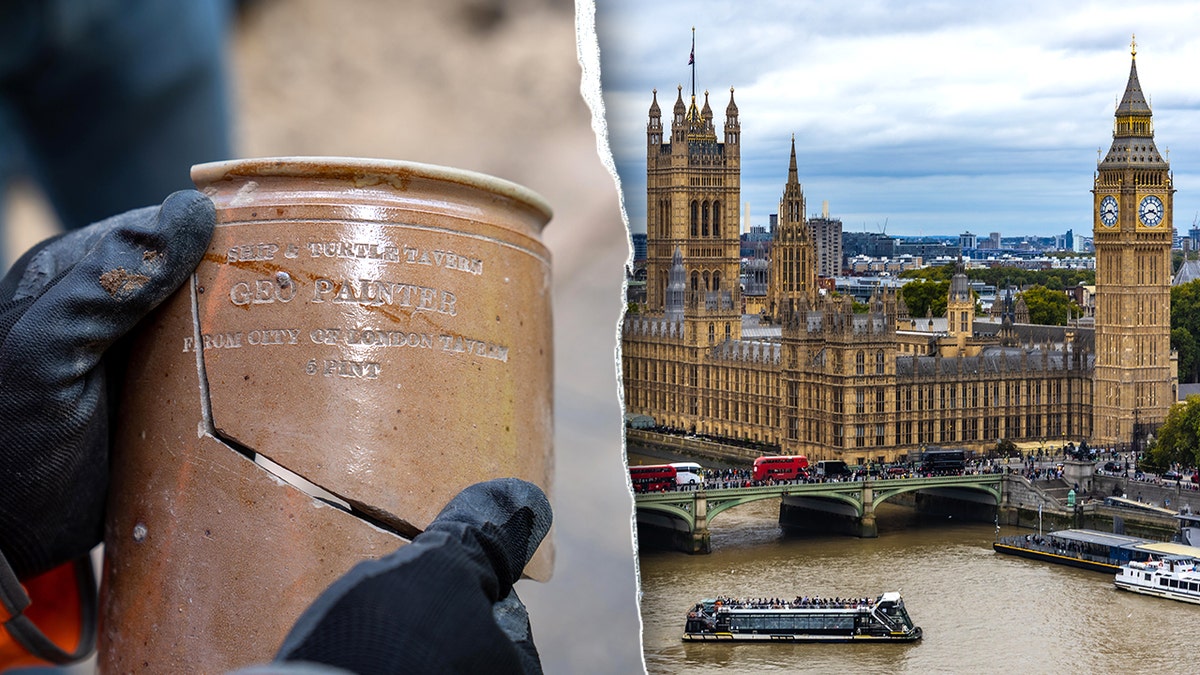
Archaeologists working beneath the Palace of Westminster uncovered a range of artifacts dating back thousands of years, revealing rare traces of early human activity.(Restoration and Renewal Delivery Authority Ltd;iStock)
The earliest remains found during the excavation were 60 flint fragments produced during toolmaking, likely dating back to 4300 BC.The flint flakes predate Stonehenge, which began construction in 3100 BC.
The prehistoric remains were once part of Thorney Island, a sandy area near the River Thames that eventually became the heart of medieval Westminster.
“The flints were found in undisturbed sand deposits that once formed part of Thorney Island, an area where prehistoric communities are thought to have fished, hunted and gathered food,” the Restoration and Renewal Delivery Authority said in its announcement.
“These rare finds offer a glimpse into early human life in what is now central London.”
STUNNING MEDIEVAL RING FOUND BELOW RUBBLE AT ‘HISTORICALLY IMPORTANT’ TOURIST SITE
com/category/travel/vacation-destinations" target="_blank" rel="noopener">central Londonis “incredibly rare.”
“While research suggested we might find traces of early human activity on the site, I was surprised to discover direct evidence of flint tool-making dating back to around 6,000 years ago,” said Abrams.
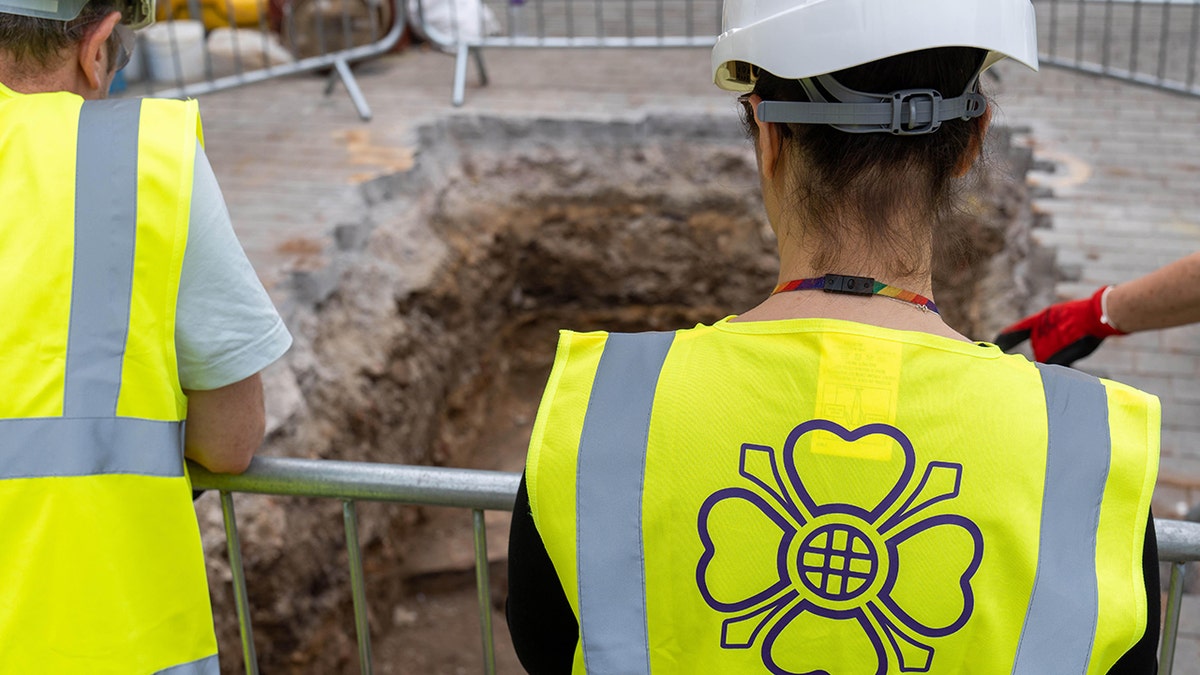
Crews conducting a three-year investigation beneath Parliament uncovered centuries of artifacts, including items that reveal how people once lived and worked across the historic site.(Restoration and Renewal Delivery Authority Ltd)
Archaeologists also found medieval leather boot and shoe soles dating back 800 years, as well as 19th-century decorated clay tobacco pipes and a 19th-century five-pint beer jug inscribed “Geo[rge] Painter.”
They also found a fragment of a 2,000-year-old ancient Roman altar that was likely repurposed, as well as a heart-shaped lead badge dating back to the Middle Ages.
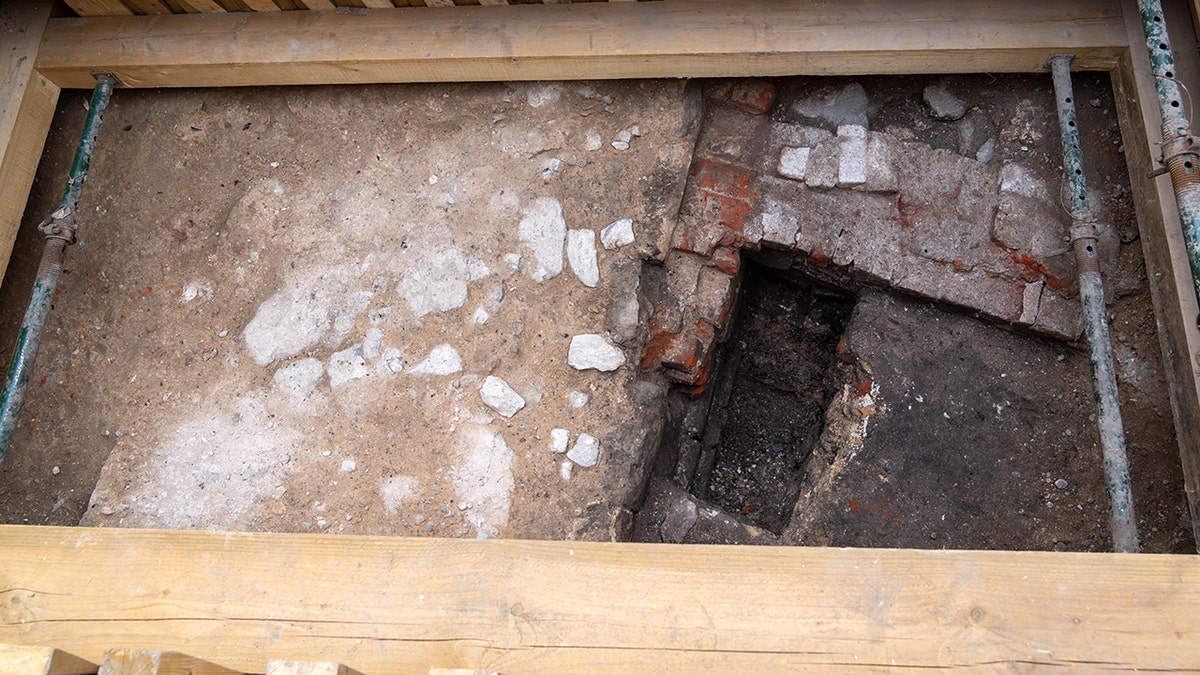
Excavators discovered the foundations of Lesser Hall, a medieval building from 1167 that once hosted royal dining events.(Restoration and Renewal Delivery Authority Ltd)
“This is the most significant discovery of the current archaeological investigations and provides vital insights into the layout and survival of historic structures beneath the modern Palace.”
Excavators found Lesser Hall’s stone wall and original foundation, which were remarkably preserved through both the Great Fire of 1834 and a World War II bomb strike.
“The findings will also help us to guide the design and planning for Parliament’s future restoration works.” “Today, its remains – and other pre-1834 structures – have been carefully recorded and even turned into 3D digital models before being reburied to protect them.” Archaeologists also spotted later repairs to the hall, including red brickwork that once separated two adjacent properties. TEST YOURSELF WITH OUR LATEST LIFESTYLE QUIZ “There is also a larger red brick wall which likely belonged to a cellar dividing two properties shown on plans from 1739,” said Abrams. “These details help us piece together thearchaeology and historyof the site to learn more about the past people who lived and worked there.” The medieval artifacts uncovered during the Parliament excavation were found alongside items from other eras, revealing how the site evolved through centuries of activity and everyday life.(Restoration and Renewal Delivery Authority Ltd) All in all, Abrams said that the discoveries “reveal a remarkable timeline of human activity on this iconic site.” onelink.me/xLDS?pid=AppArticleLink&af_web_dp=https%3A%2F%2Fwww. “The findings will also help us to guide the design and planning for Parliament’s future restoration works,” she said.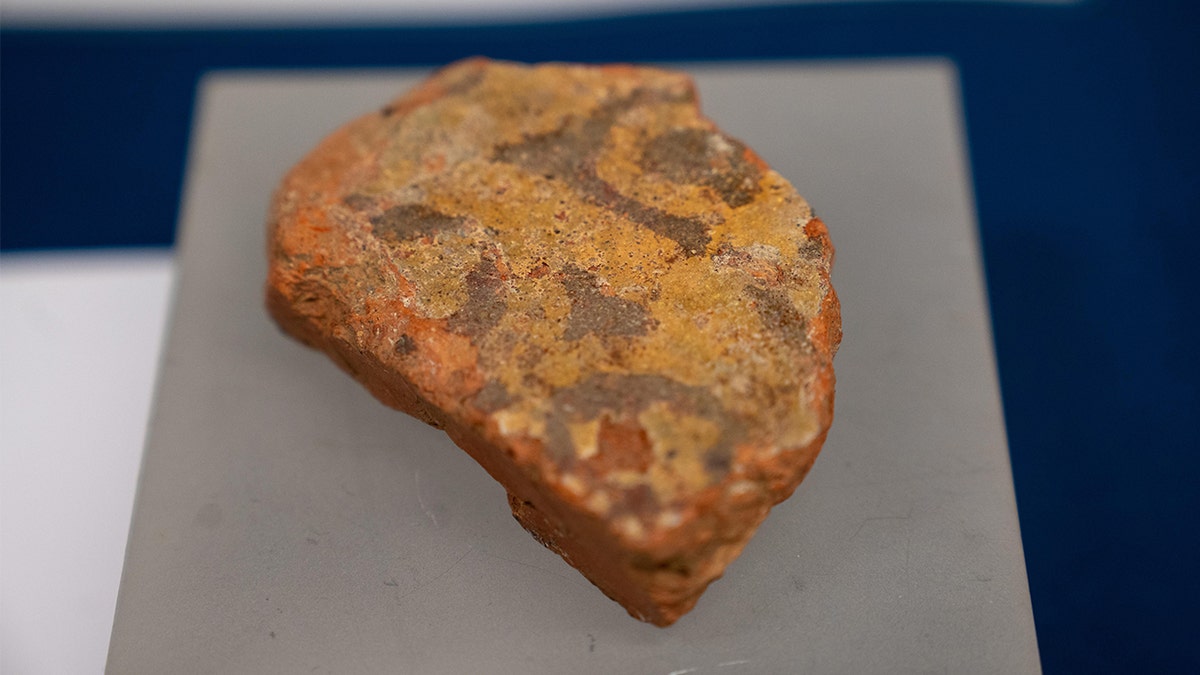
![[aggregator] downloaded image for imported item #2678](https://hotnewscenter.top/wp-content/uploads/2025/11/turkey-urfa-castle-christian-mosaic-byzantine-bible-abraham-archaeology-history-1-1024x576.jpg "Ancient Christian mosaic with mysterious inscription unearthed at traditional birthplace of Abraham")
![[aggregator] downloaded image for imported item #2522](https://hotnewscenter.top/wp-content/uploads/2025/11/trump-administration-visa-fee-1024x576.jpg "Overweight foreigners seeking visas may be rejected to save healthcare costs, taxpayer expense")
![[aggregator] downloaded image for imported item #2665](https://hotnewscenter.top/wp-content/uploads/2025/11/israel-jerusalem-assyrian-script-found-artifact-archaeology-history-3-1024x576.jpg "Archaeologists unearth evidence of biblical power struggle beneath Jerusalem: 'Screamed with excitement'")
![[aggregator] downloaded image for imported item #2657](https://hotnewscenter.top/wp-content/uploads/2025/11/armageddon-archaeology-discover-tel-megiddo-israel-1024x576.jpg "Archaeologists reveal unusual ritual objects from ancient biblical cult at Armageddon site")